

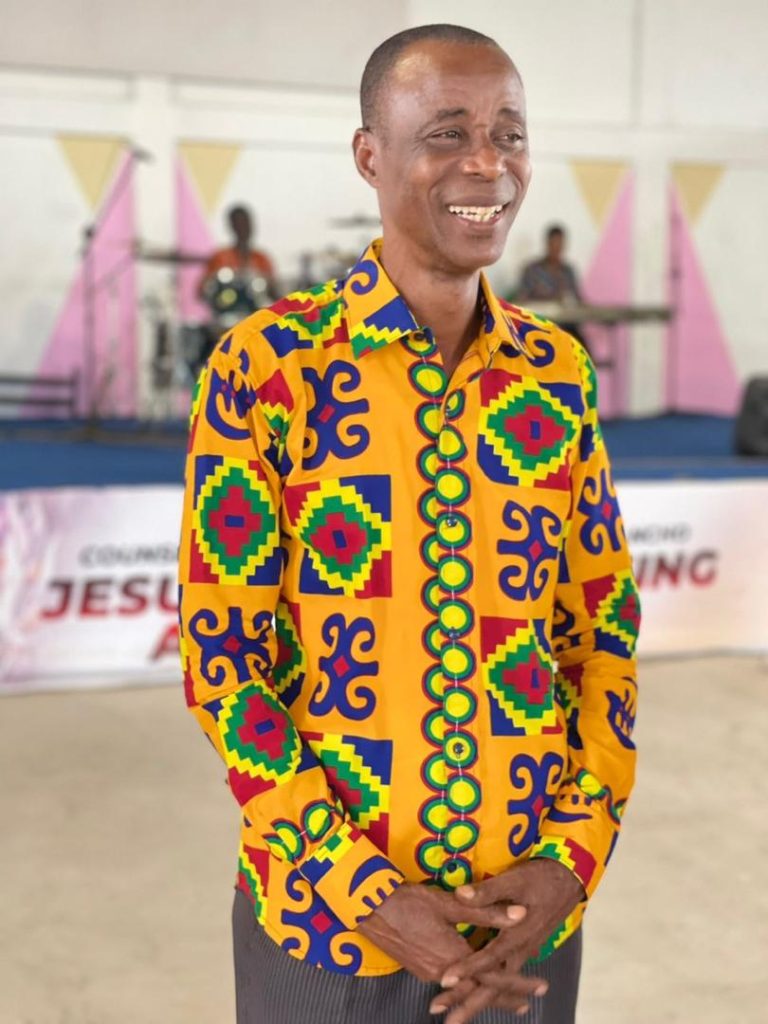
The General Overseer of Counsel of God Church at Bronkong-Afrancho in the Afigya Kwabre South of Ashanti Region, Rev. John Osei Ofori, has strongly disagreed with a recent call by the Presidential Envoy in charge of Interfaith and Ecumenical Relations, Elvis Afriyie Ankrah. The Envoy had urged church and religious leaders to submit any prophecies relating to government appointees or nationally significant issues to his office for deliberation before making them public.
The call follows the tragic helicopter crash in the Obuasi Municipality of the Ashanti Region, which claimed the lives of government officials and military personnel.
In an interview with GhNewdayonline, Rev. Osei Ofori argued that prophecy is a matter for the church, not the Office of the President. He stressed that only ministers of God are mandated to discern whether a prophecy is truly from God.
“Prophecy must be scrutinized by the church to know whether it is from God or not. It is not for the presidency to determine that,” he emphasized.
Rev. Osei Ofori explained that prophecies should not only lead to prayers but, in some cases, preventive actions.
He advised prophets to reach out privately to individuals concerned in a prophecy rather than always going public. However, he admitted that the lack of access to such individuals is sometimes the reason prophets make their revelations known publicly.
He further noted that God can reveal His will to anyone close to Him, regardless of popularity or status. Citing the biblical example of Joseph, he explained that while God revealed Joseph’s future prosperity, He did not reveal the trials Joseph would face along the way.
“Some prophets who are not well-known may actually be very close to God. Samuel was young, but God spoke to him. Popularity does not determine who God speaks through,” he added.
Rev. Osei Ofori also cautioned those who are the subject of prophecies against insulting or disregarding ministers of God. He lamented the tendency of some people to dismiss little-known prophets while only believing messages from popular pastors, describing it as a bad practice.
He underscored the importance of freedom of worship and privacy, insisting that no one should be denied the right to share divine revelations. At the same time, he urged spiritual leaders to act responsibly by engaging individuals directly where possible.
Addressing politicians and government officials, Rev. Osei Ofori appealed to them to open their doors to ministers of God, irrespective of their public profile, as this could help avert future tragedies. He also advised that if a prophet demands money before delivering a message, that should serve as a red flag about their true intentions.
Finally, he called for fairness in how leaders and ordinary citizens are treated, noting that many lives are lost in incidents that receive little attention because the victims are not public figures.
story by Henry Ameyaw
