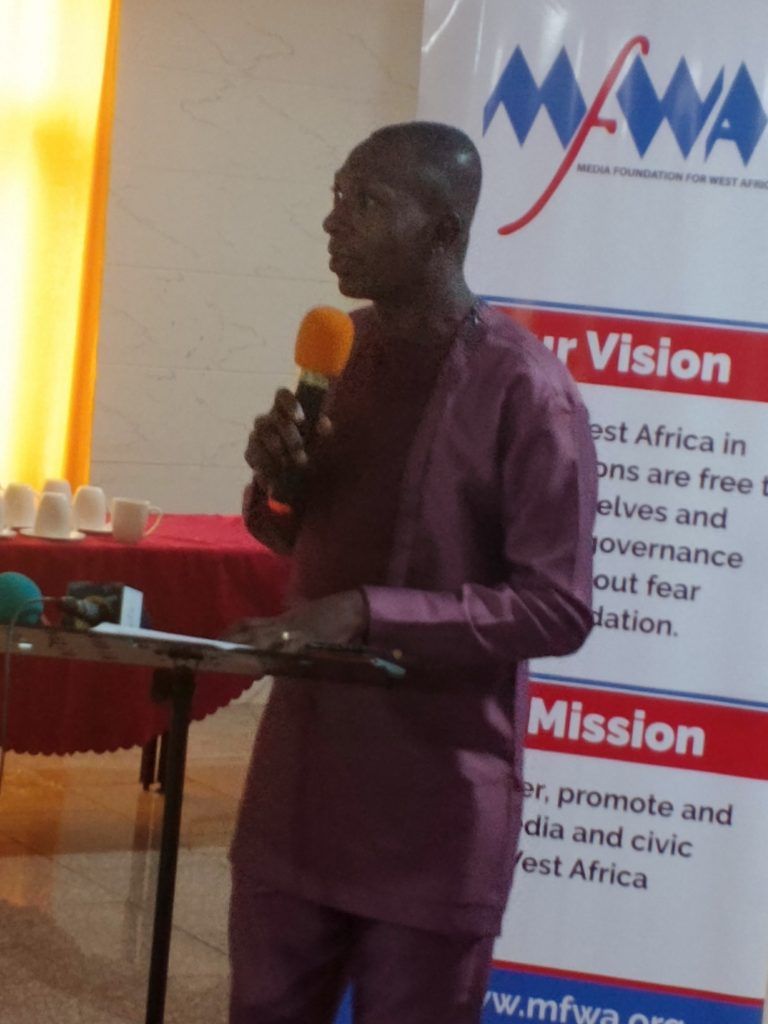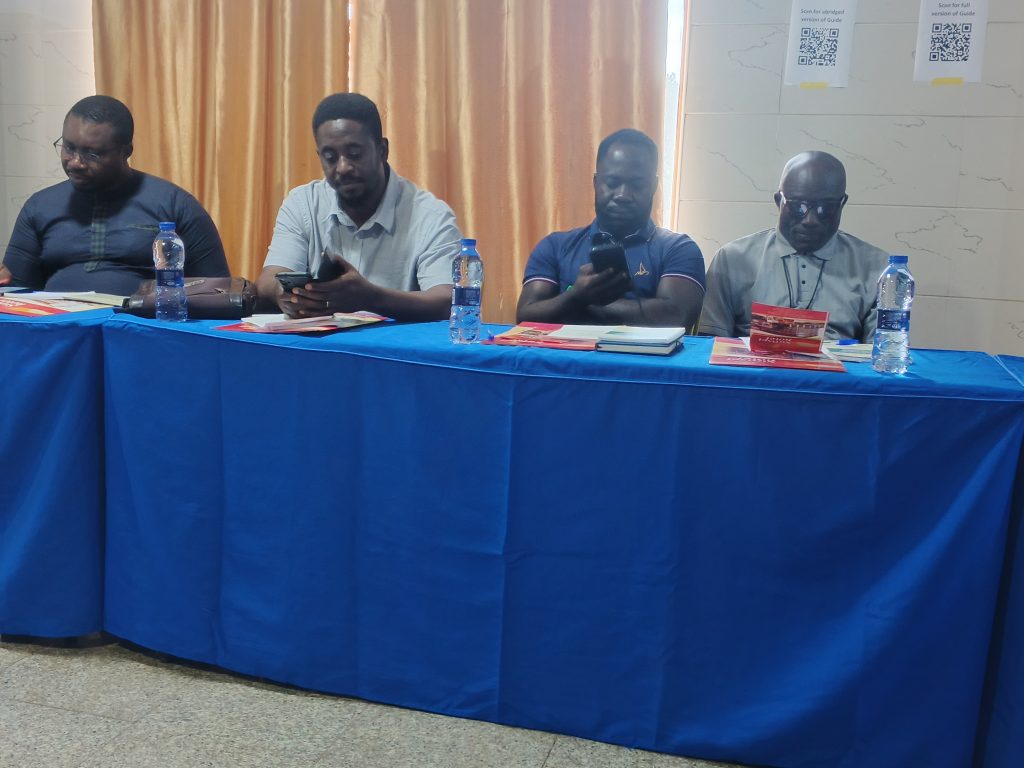
The Media Foundation for West Africa (MFWA), incollaboration with Oxfam in Ghana and the Norwegian Agency for Development Cooperation (Norad), has organized a workshop in Kumasi to train journalists on a newly developed guide covering Illicit Financial Flows (IFFs), Progressive Taxation, Reserve-Based Lending, and Domestic Resource Mobilization.
The workshop aimed at strengthening the capacity of journalists to investigate and report on illicit financial flows, taxation, and national revenue management. It also sought to equip media practitioners with the tools and skills required to report critically and accurately on financial flows, tax systems, and domestic resource mobilization.
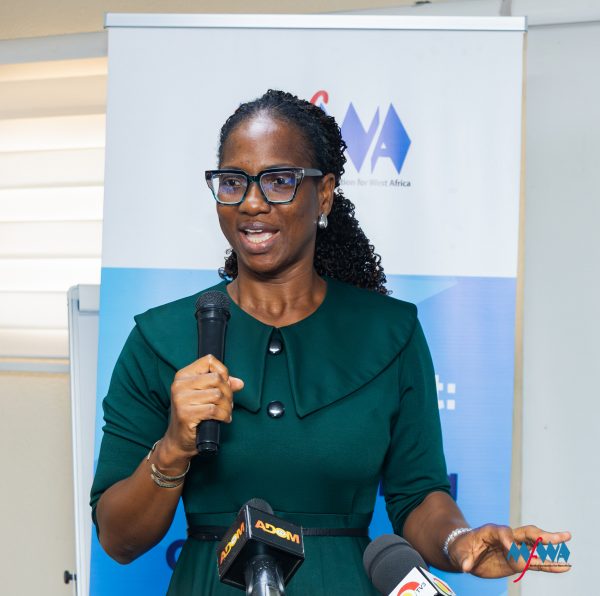
In her opening remarks, Mrs. Rosemond Ebi-Adwo Aryeetey, Senior Manager of the Media for Democracy and Good Governance Programme at MFWA, described the training as an opportunity to refine the guide into a resource that is practical, representative, and impactful. She expressed appreciation to participants for their contributions and commitment.
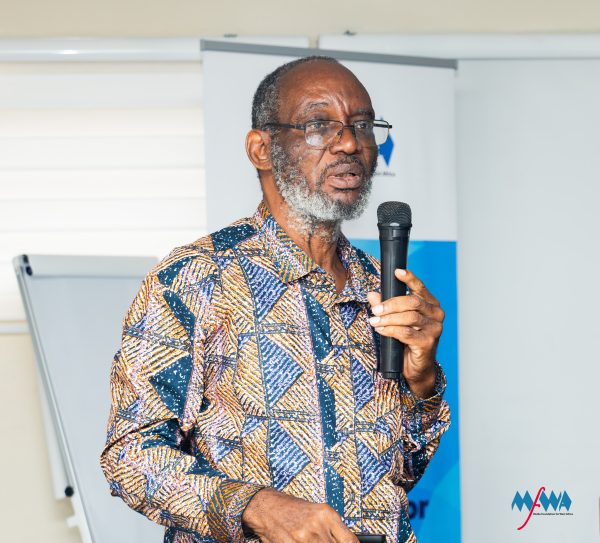
Giving a presentation on the guide, Dr. Bishop Akolgo, Director of Technology Integration Point Ventures and lead consultant on IFFs, explained the 14-chapter document which highlights legal and institutional loopholes that enable illicit financial flows and undermine national revenue.
He emphasized that taxation should not be viewed merely as a means of financing infrastructure but also as a tool for regulating liquidity and ensuring economic stability.
Dr. Akolgo further stressed the media’s watchdog role in uncovering financial abuses, simplifying complex issues for the public, and holding both governments and corporations accountable.
He also suggested that the guide should serve not only as a resource for investigative journalism but also for general financial reporting.
Echoing this, Dr. Angela Azumah Alu, Policy Advisor at Oxfam in Ghana, noted that the goal was to produce a guide that would serve both journalists and the wider society.
Adding that thier aim is to provide a tool that can be easily integrated into the daily work of journalists and ultimately contribute to greater accountability and improved governance in Ghana.
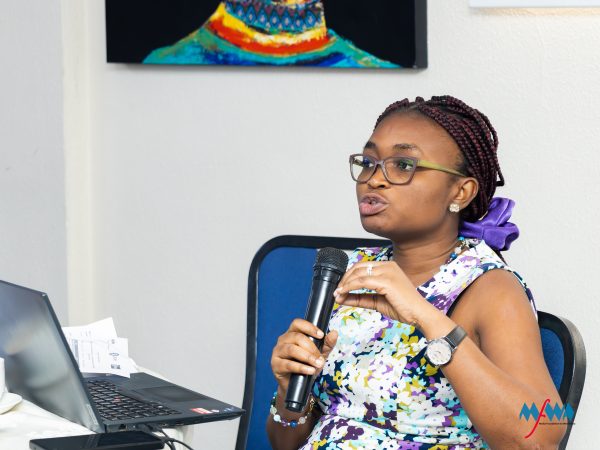
On his part, Mr. Isaac Amoah, Ashanti Regional Coordinator for the Private Newspapers and Online News Publishers Association of Ghana, and News Editor at the New Trust Newspaper, underscored the importance of creating awareness about the guide and making it accessible to the media fraternity.
He said the resource had come at a crucial time to empower journalists to investigate IFFs and tax evasion, which cost Ghana an estimated $1.4–$3 billion annually.
He added that the guide provides ethical frameworks, legal context, and investigative techniques to help journalists expose financial crimes, promote accountability, and drive development.
He explained that the initiative forms part of the project titled “Tax for Development: Strengthening Civil Society and Media for Fiscal Justice”, funded by Norad through Oxfam in Ghana.
Mr. Amoah urged editors and senior journalists to support MFWA and its partners’ efforts to combat IFFs in Africa, particularly in Ghana, as a way of safeguarding national resources for development.
He further emphasized the importance of adhering to journalism ethics to ensure balanced, accurate, and fair reporting.
He commended MFWA for organizing the training workshops and for developing the guide, describing it as a practical tool that will make the work of journalists reporting on IFF-related issues smoother and more effective.